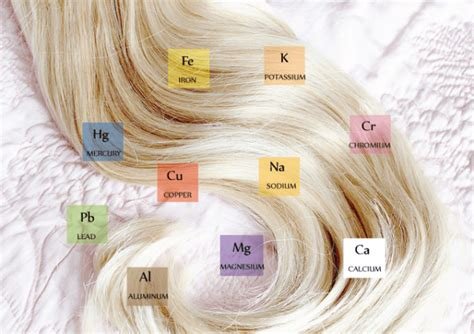
WHAT IS HAIR TISSUE MINERAL ANALYSIS (HTMA)
Hair is used for mineral testing because of its very nature. Hair is formed from clusters of specialised cells that make up the hair follicles. During the growth phase, the hair is exposed to the internal environment such as blood, lymph and extracellular fluids. As the hair continues to grow and reaches the surface of the skin, its outer layer hardens, locking in the metabolic activity that occurred during this time. Mineral stores in the hair are a reliable and accurate indicator of mineral stores in the whole body.
An HTMA can give a better insight than a blood test. How often do you go to the doctor with health concerns only to be told your blood test results are in range. The body is very smart at keeping blood balanced, – this is what keeps us alive. Any nutritional excesses will end up in our tissue, and if we are deficient is something the blood needs, it is likely to pull it from somewhere – thus causing cellular imbalances. By the time the blood is showing irregularities, your health is so much harder to recover.
An HTMA is like a window into your cells. If you have dysregulated minerals, you are on a downhill slide to poor health. With the understanding you get from the report that comes with your Hair Tissue Mineral Analysis results you can turn your health trajectory around.
THE IMPORTANCE OF MINERALS
Minerals are essential for growth, healing, vitality and wellbeing. They provide structural support in bones and teeth, maintain the body’s pH, water balance, nerve activity, muscle contractions, energy production and enzymatic reactions and so much more. They are the spark plugs of life!
If your health is declining and you are looking for the answers as to why, then an HTMA is the perfect tool to give you insight. An HTMA is useful in revealing…
*Mineral deficiencies and imbalances
*Heavy metal toxicity
*Metabolic type (fast or slow)
*Blood sugar regulation
*Nervous system imbalances and thyroid function
*Root cause of hormonal imbalances
*Cardiovascular health
*Energy levels and fatigue
*Adrenal and thyroid function